Do We Know How To Speak the Language of Microorganisms When Designing A Food Product? FATTOM
Do We Know How To Speak the Language of Microorganisms When Designing A Food Product? 🦠
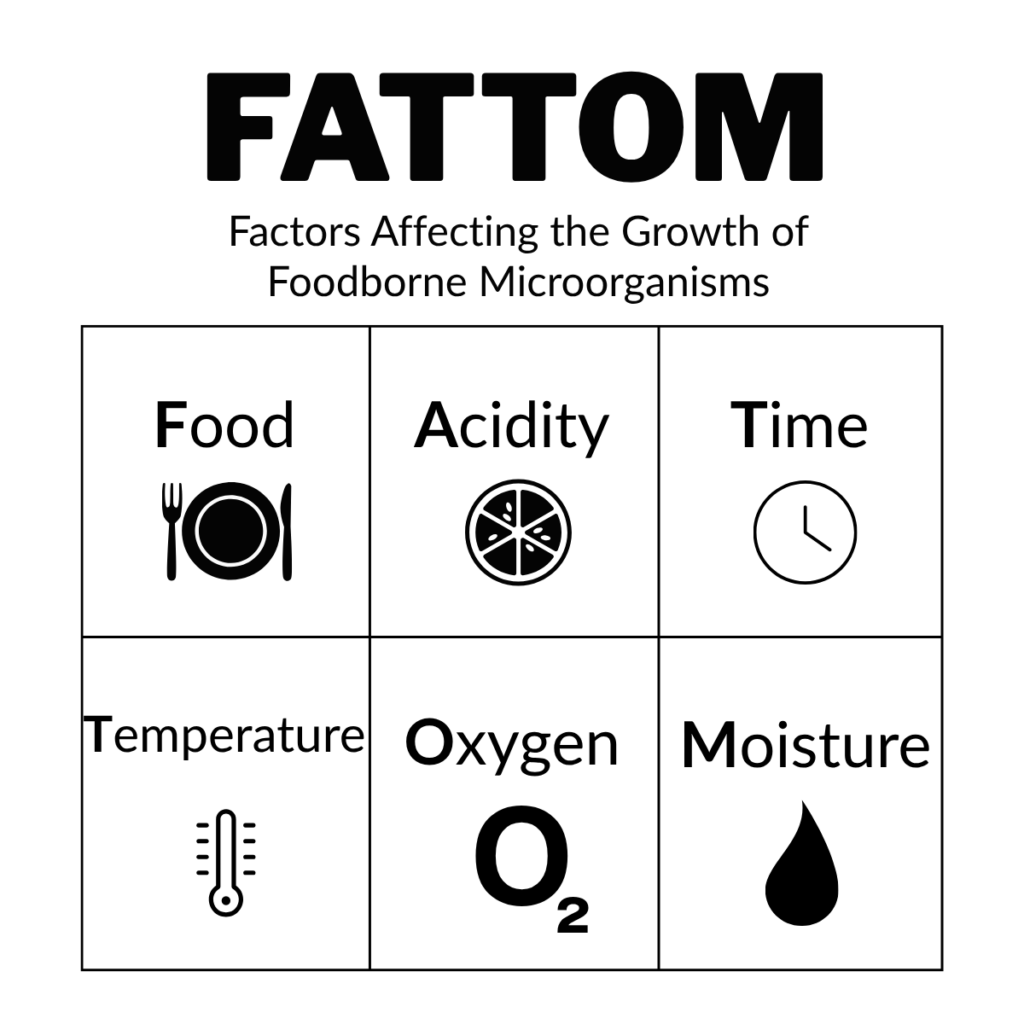
Just like humans, disease-causing microorganisms (pathogens) require specific environmental conditions to survive and multiply. When developing a recipe, designing a process, or determining shelf life, the key to minimizing microbial risk is hidden in a simple acronym: FAT TOM.
Here are the six golden rules of food safety:
🔹 F (Food):
Microorganisms need nutrients to grow. High-protein foods such as meat, dairy products, eggs, and similar products provide an ideal environment for the growth of many pathogens.
🔹 A (Acidity):
Pathogens generally cannot grow in acidic environments with a pH below 4.6. Adding acidic ingredients such as vinegar or lemon juice can significantly reduce microbial risk.
🔹 T (Time):
Bacteria thrive when given time. Under ideal conditions, many bacteria can divide approximately every 20 minutes. A single bacterium left in favorable conditions can multiply into millions within a matter of hours. The longer a product remains exposed to hazardous conditions, the greater the microbial risk becomes.
🔹 T (Temperature):
The preferred temperature range for many pathogens is 5°C to 57°C, commonly known as the Danger Zone. However, some pathogens, such as Listeria monocytogenes, can survive and even persist under refrigerated or frozen conditions.
🔹 O (Oxygen):
Most bacteria require oxygen to grow. However, anaerobic hazards such as Clostridium botulinum can grow and produce deadly toxins even in oxygen-free environments, such as canned foods. Some microorganisms also prefer oxygen but can tolerate low-oxygen conditions.
🔹 M (Moisture):
Bacteria rely on available water in food, known as water activity (aw), to grow. In general, products with a water activity of 0.96 or higher present a greater risk for pathogen growth.
The Hidden Threat: Spore Formation!
Some microorganisms can form spores when environmental conditions become unfavorable, entering a dormant state that enables them to survive harsh conditions. Once conditions improve, they can “wake up” and return to their vegetative form, resuming growth and reproduction.
Understanding and correctly evaluating the FAT TOM factors is essential for designing food formulations, processing conditions, packaging systems, and storage requirements effectively. Microbial risks can only be controlled or eliminated through proper management of these critical parameters.
#FoodSafety #QualityManagement #FoodEngineering #FATTOM #ProductDevelopment #FoodIndustry